Prince Hall Freemasonry: The African American Masonic Tradition
Discover the history of Prince Hall Freemasonry, the influential African American branch of the Craft founded in the 18th century.
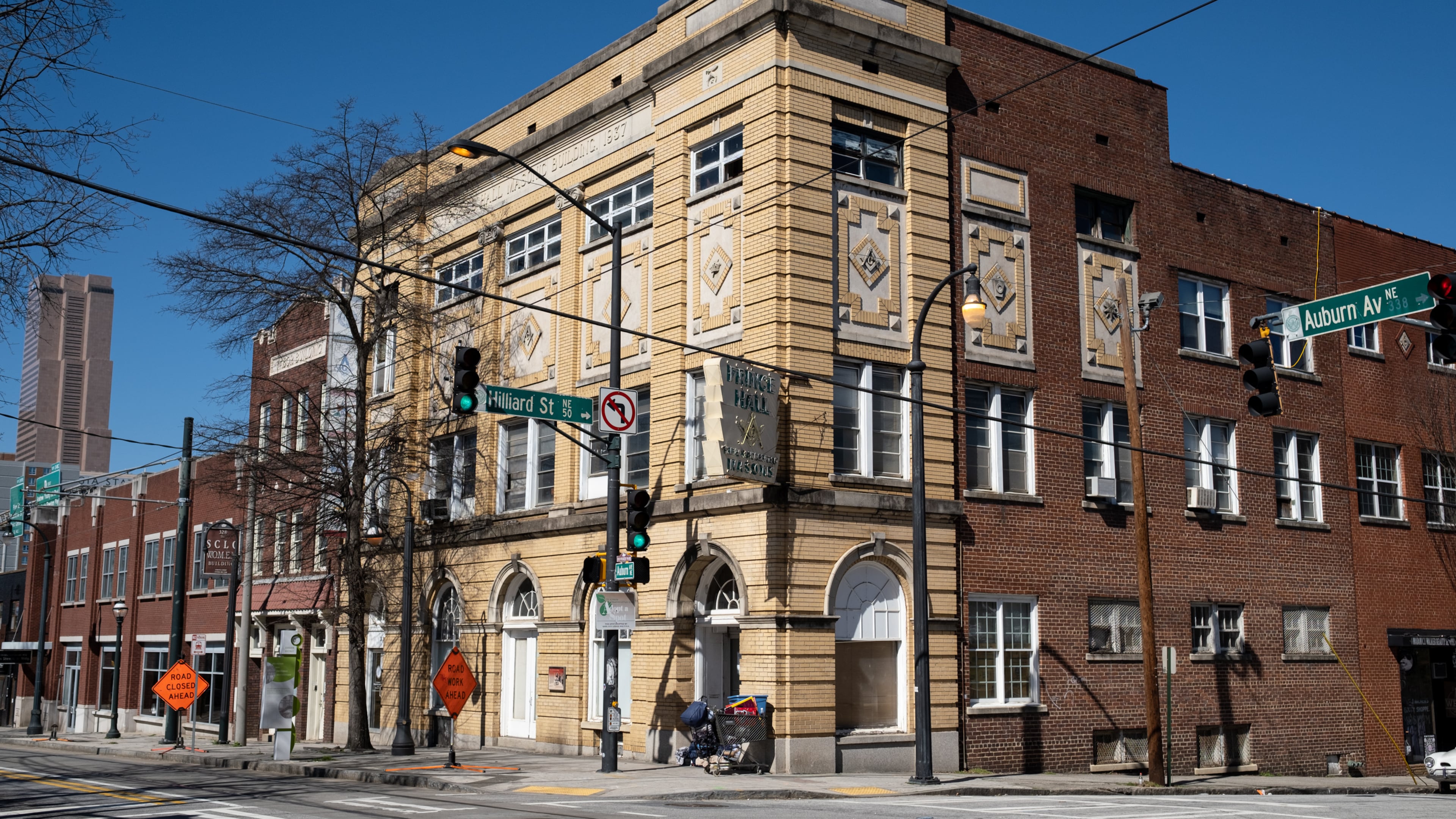
Prince Hall Freemasonry is one of the most important and inspiring chapters in Masonic history. Born in Revolutionary-era Boston, it created a tradition of African American fraternalism that has endured for nearly 250 years, produced generations of community leaders, and today works side by side with most other Grand Lodges in the United States. Here is the documented story, from a single military lodge in Boston Harbor to a national institution.
Who Was Prince Hall?
Prince Hall was a free Black man living in Boston in the late 18th century. A leather worker by trade, he was also an abolitionist and community leader. He signed petitions to the Massachusetts legislature calling for an end to slavery and for the education of Black children, at a time when free Black Americans faced deep discrimination in nearly every part of public life.
For Prince Hall, Freemasonry offered something rare: a respected institution built on the idea that men meet "on the level," and a structure through which his community could organize, educate, and support one another. He died in 1807, but the fraternity he founded still bears his name.
Initiation: March 6, 1775
On March 6, 1775, weeks before the first shots of the American Revolution, Prince Hall and fourteen other free Black men were initiated into Freemasonry. The initiation was performed by Lodge No. 441, an Irish-constitution military lodge attached to the British Army's 38th Regiment of Foot, then stationed at Castle William (today Fort Independence) in Boston Harbor. The lodge was presided over by Sergeant John Batt.
Military lodges like this one traveled with their regiments and were common in the 18th century. They were a major reason Freemasonry spread so quickly across the colonies, as our article on the origins of Freemasonry explains.
African Lodge No. 1
When the British left Boston in 1776, Lodge No. 441 left with them. Before departing, it gave Prince Hall and his brethren a permit to meet as a lodge, to march in procession on St. John's Day, and to bury their dead with Masonic honors. The permit did not allow them to confer degrees or carry out full Masonic work.
The group organized as African Lodge No. 1, with Prince Hall as its Master. For the next decade it met, kept its members together, and worked toward the one thing it lacked: a regular charter.
The Charter of African Lodge No. 459
Prince Hall petitioned the Grand Lodge of England for a warrant, sending the request through William Moody, Master of Brotherly Love Lodge No. 55 in London. The key dates are well documented:
September 29, 1784: the Grand Lodge of England issued the charter, numbering the lodge 459.
April 29, 1787: the charter finally reached Boston, delivered by Captain James Scott of the ship Neptune.
May 6, 1787: African Lodge No. 459 was formally organized under its new charter.
That charter is the founding document of Prince Hall Freemasonry and its most treasured possession. When fire struck the Grand Lodge headquarters in Massachusetts in 1869, it was rescued from the burning building, and it has been carefully preserved in Boston ever since.
From One Lodge to a National Tradition
In the years after Prince Hall's death, African Lodge grew into a Grand Lodge in its own right, later taking his name. Prince Hall Grand Lodges were eventually established in state after state, and the tradition spread beyond the United States. Lodges in this family are often described as "Prince Hall Affiliated," or PHA.
For generations, Prince Hall lodges were far more than meeting rooms. In communities shut out of many mainstream institutions, they served as:
Training grounds for leadership, where members learned public speaking, governance, and organization
Mutual aid networks, helping members and widows through illness, hardship, and funerals
Supporters of education, through scholarships and community programs
Pillars of civic life, closely tied to churches, businesses, and the struggle for civil rights
The same commitment to relief that defines Masonic charity work more broadly has always been central to Prince Hall Masonry.
The Long Road to Recognition
Because Grand Lodges are independent, they formally "recognize" one another before their members can visit each other's lodges. (Our article on Freemasonry around the world explains how recognition works.) For most of American history, the predominantly white Grand Lodges, often called "mainstream," refused to recognize Prince Hall Grand Lodges.
There were early attempts to change that. The Grand Lodge of Washington moved toward recognition in 1897 and the Grand Lodge of Massachusetts in 1947, but both efforts were reversed under pressure from other jurisdictions.
The turning point came on October 14, 1989, when the Grand Lodge of Connecticut formally recognized the Prince Hall Grand Lodge of Connecticut. Nebraska followed in February 1990, and this time other Grand Lodges did not cut ties in retaliation. Recognition spread steadily through the 1990s and 2000s. The United Grand Lodge of England, the historic body that issued African Lodge's charter, recognized the Prince Hall Grand Lodge of Massachusetts in 1994.
Today, roughly 40 of the 51 mainstream Grand Lodges in the United States recognize their Prince Hall counterparts in some form. The remaining holdouts are concentrated mostly in the South, and the issue is still debated there.
Why Prince Hall Masonry Matters
The story of Prince Hall Freemasonry is about more than a charter or a vote. It shows a group of men insisting on their full place in a fraternity that claimed to value equality, and building a lasting institution when that place was denied. In doing so they kept faith with the Craft's own ideals better than many of the Grand Lodges that excluded them.
Visiting or Joining a Prince Hall Lodge
Prince Hall lodges welcome inquiries just as other lodges do. Membership requirements are similar: a man of good character, of legal age, who believes in a Supreme Being. If you are interested, our lodge finder can point you toward Grand Lodges in your state, and our how to join guide explains the process.
Quick Facts
Prince Hall and 14 other free Black men were initiated on March 6, 1775, by Lodge No. 441 of the 38th Regiment of Foot.
In 1776 they organized as African Lodge No. 1 under a limited permit.
The Grand Lodge of England chartered African Lodge No. 459 on September 29, 1784; the charter arrived in Boston in 1787.
Prince Hall died in 1807; the Grand Lodges that grew from his lodge bear his name.
Connecticut became the first mainstream Grand Lodge to recognize Prince Hall Masonry in the modern era, on October 14, 1989.
Today roughly 40 of 51 mainstream US Grand Lodges recognize their Prince Hall counterparts.
Sources
- Prince Hall Grand Lodge of Massachusetts: African Lodge No. 459
- MW Prince Hall Grand Lodge of Maryland: Prince Hall history
- The Phylaxis Society: Prince Hall recognition
Spotted an error? Let us know and we will review it.