From Stonemasons to Global Brotherhood: The Origins of Freemasonry
Where did Freemasonry come from? Trace the history of the Craft from medieval stonemason guilds to the worldwide fraternity of today.
Freemasonry is often called the world's oldest and largest fraternity, but its true origins are frequently misunderstood. The real story — how working stonemasons gave rise to a global brotherhood of moral improvement — is more fascinating than any myth.
The Operative Masons
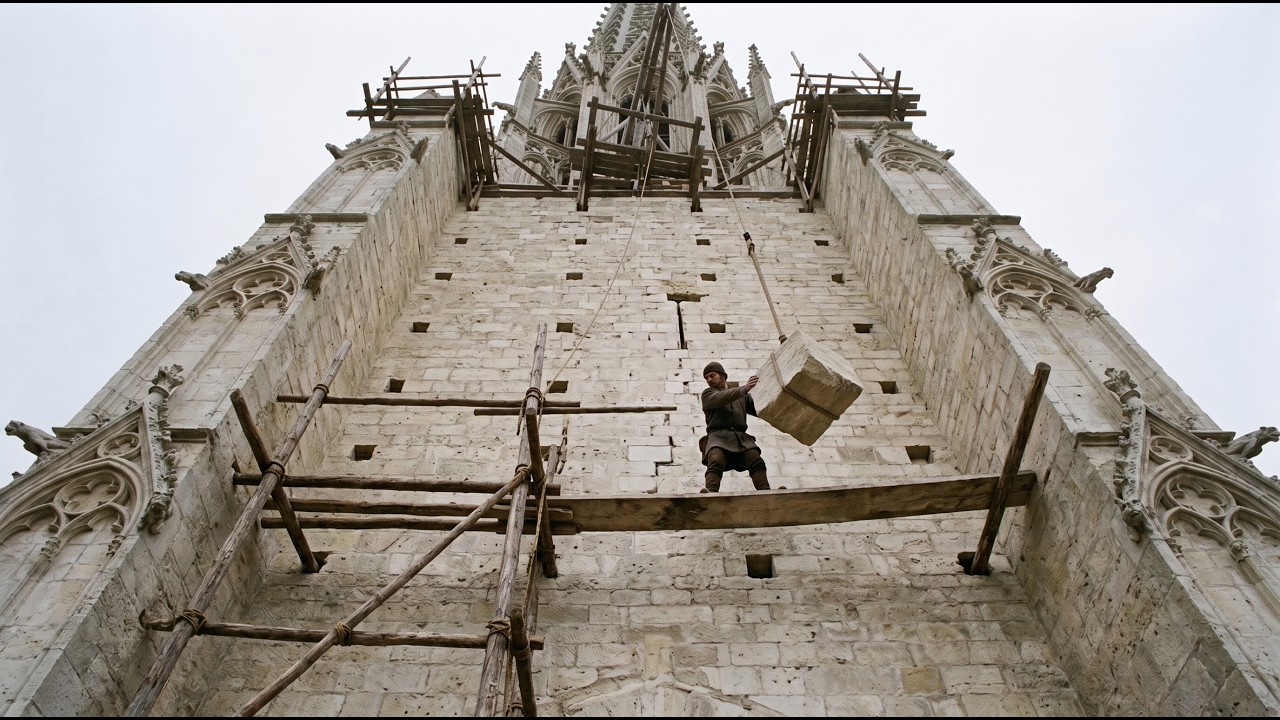
In the Middle Ages, skilled stonemasons built the great cathedrals, castles, and abbeys of Europe. These craftsmen possessed rare and valuable knowledge of geometry, engineering, and stonecutting. They organized themselves into guilds and lodges to protect their trade, train apprentices, and regulate their work. Because they traveled from site to site, they used secret modes of recognition — signs and words — to prove their level of skill to masons they had never met. This was practical, not mysterious: it protected wages and standards.
From Operative to Speculative
Over time, particularly in the 1600s, lodges began admitting men who were not working stonemasons — gentlemen, scholars, and thinkers attracted to the symbolism and fellowship of the Craft. These were called "accepted" or "speculative" Masons. Gradually the fraternity shifted from building physical structures to "building" better men, using the tools and language of stonemasonry as moral symbols.
The First Grand Lodge, 1717
The pivotal moment came in 1717, when four London lodges met and formed the first Grand Lodge of England. This event is widely regarded as the birth of organized modern Freemasonry. From that point, the fraternity grew rapidly and became more standardized, with published constitutions and a formal structure.
Rapid Global Spread
Freemasonry spread across Europe and to the American colonies during the 1700s, carried by soldiers, merchants, and travelers. Its emphasis on reason, tolerance, and self-improvement fit perfectly with the spirit of the Enlightenment. Lodges became places where men of different backgrounds could meet on the level, setting aside differences of rank and religion.
Freemasonry in America
Many figures of the American Revolution were Freemasons, and the fraternity became woven into the fabric of the new nation. Lodges multiplied across the growing country, and Masonic charity and community involvement expanded alongside them.
The Fraternity Today
Today, Freemasonry counts millions of members worldwide, organized under independent Grand Lodges in countries around the globe. While its ceremonies still use the tools of the medieval stonemason, its purpose is entirely moral and charitable: to make good men better, to relieve those in distress, and to promote brotherly love and truth.
A Living Tradition
The journey from operative craft to speculative fraternity is what makes Freemasonry unique. It kept the symbols, tools, and traditions of the old builders and turned them into a system of moral instruction that continues to guide members centuries after the first medieval masons' lodges took shape.