Masonic Symbols Explained
Freemasonry speaks through symbols. Each one carries centuries of meaning, teaching moral and philosophical lessons to those who understand them.
The Square & Compass
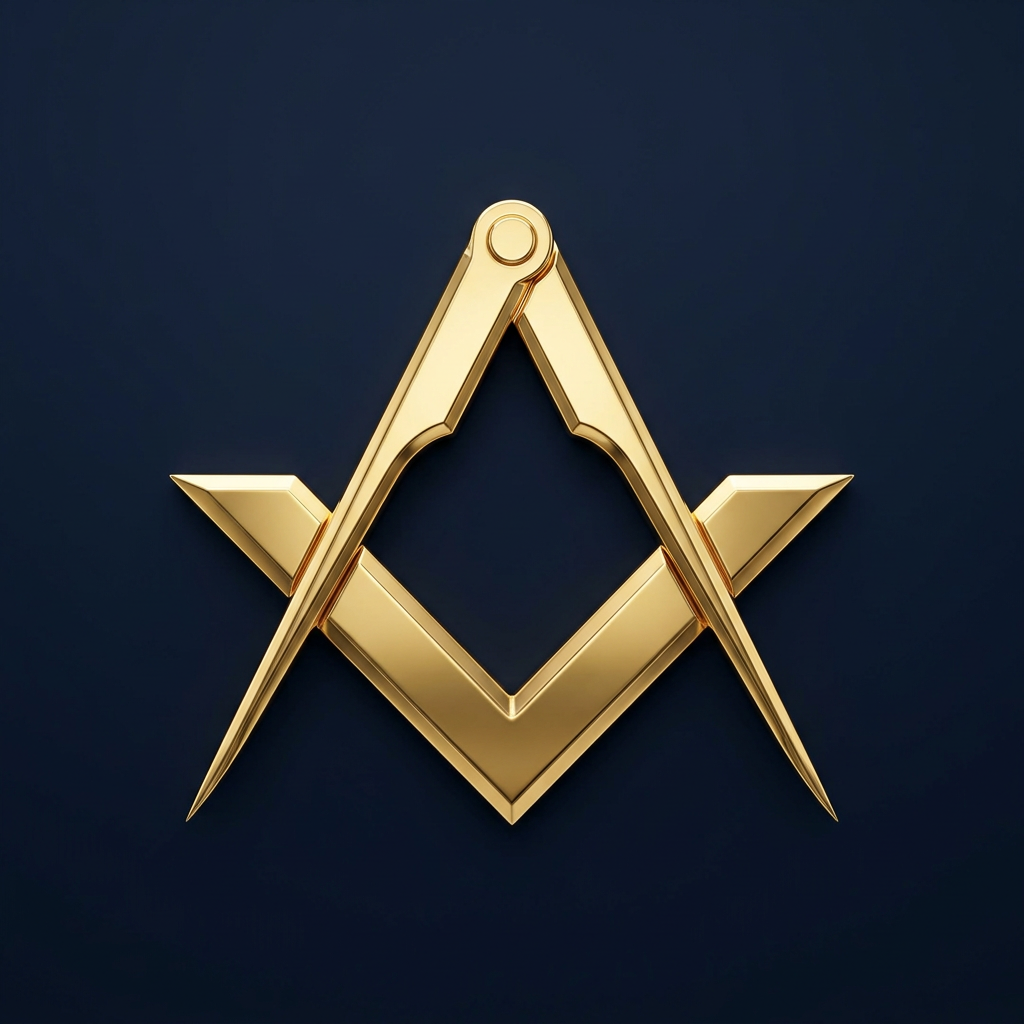
Morality and boundaries of conduct
Origin: Derived from the operative stonemasons' essential tools
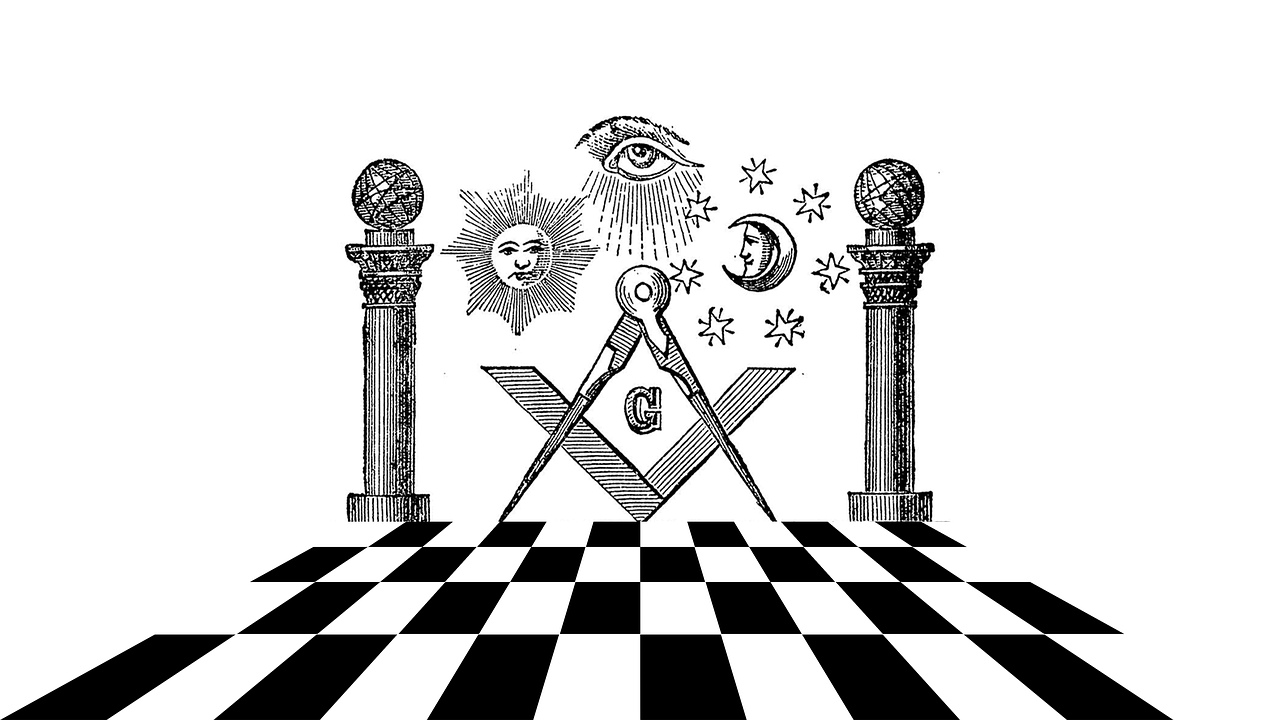
The most recognizable symbol of Freemasonry, the Square and Compass represents the core teachings of the Craft. The square symbolizes morality — the Mason's duty to "square his actions" by the standards of virtue. The compass teaches a Mason to circumscribe his desires and keep his passions within due bounds. Together, they remind every Mason to balance earthly duties with spiritual aspirations. The interlocking of the two tools also represents the union of matter and spirit, the earthly and the divine.
The All-Seeing Eye
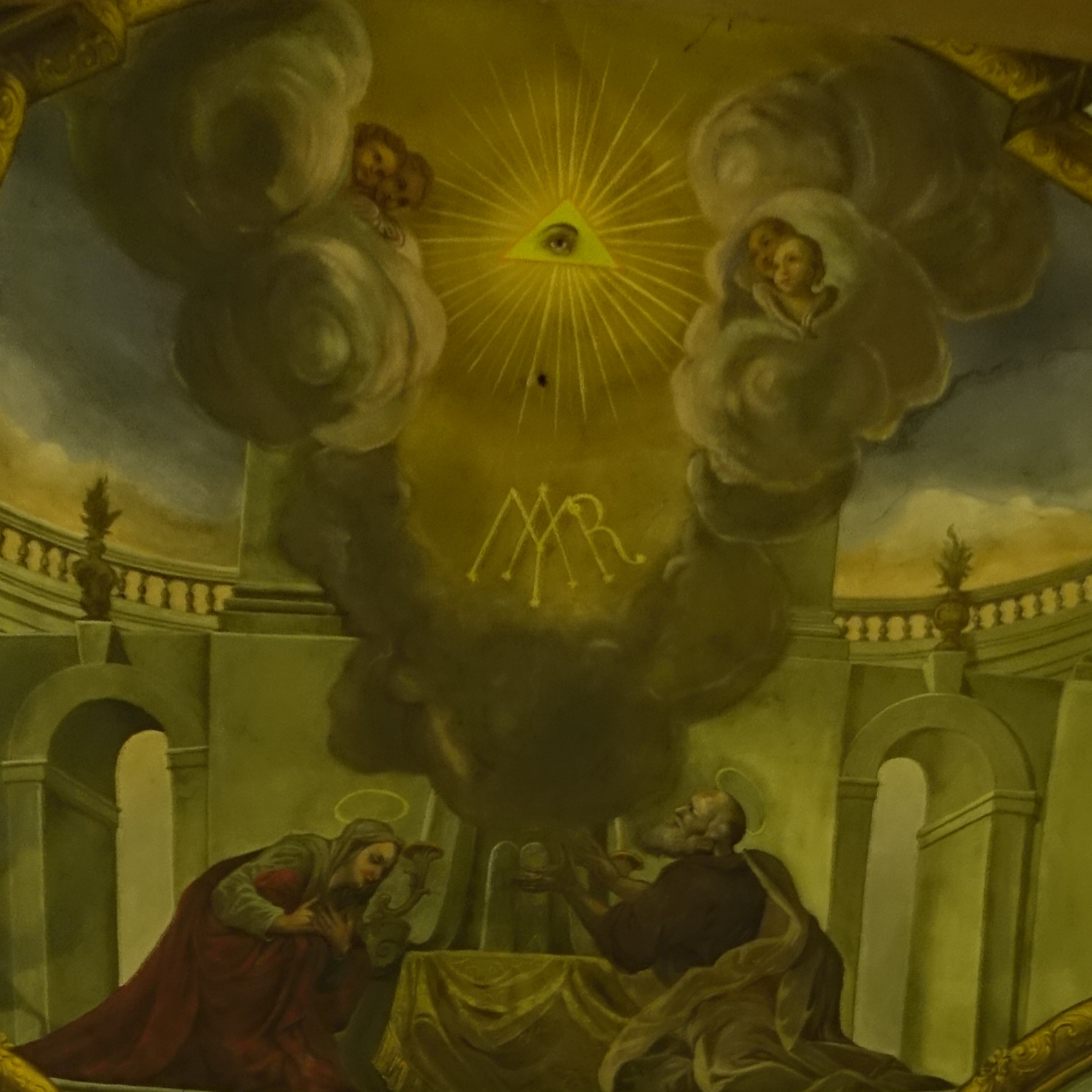
The watchful eye of the Supreme Being
Origin: Older religious imagery; Masonic texts from the 1790s
The All-Seeing Eye represents the omniscience of the Great Architect of the Universe — the Masonic term for a Supreme Being. It serves as a constant reminder that our thoughts and deeds are always observed by a higher power, encouraging moral behavior even when no one else is watching. In Masonic use it is typically shown as an eye alone, often with rays or within a cloud, and it appears in American Masonic teaching texts such as Thomas Smith Webb's Freemason's Monitor (1797). Watchful-eye imagery is far older than Freemasonry, and some writers compare it to the Egyptian Eye of Horus, though a direct line of descent is not established. For the triangle version on the Great Seal and the dollar bill, see the Eye of Providence below.
The Letter G
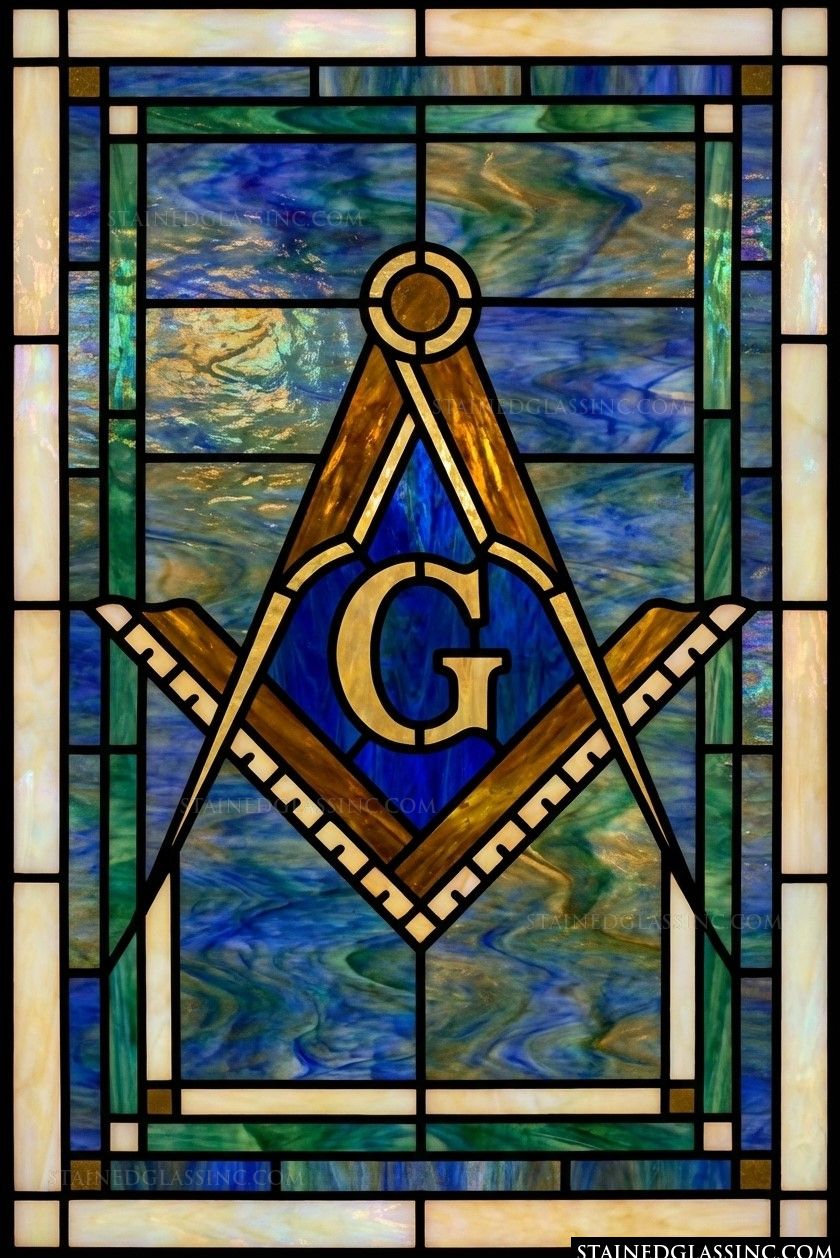
God and Geometry
Origin: Speculative Masonic tradition
Often displayed within the Square and Compass, the letter "G" carries a dual meaning in Freemasonry. It stands for both God (the Grand Architect of the Universe) and Geometry, which Masons consider the foundation of all science and architecture. Geometry was central to the operative stonemasons' craft, and speculative Freemasonry elevated it to represent the divine order underlying all creation. The placement of the "G" at the center of the Masonic emblem reminds Masons to keep God at the center of their lives.
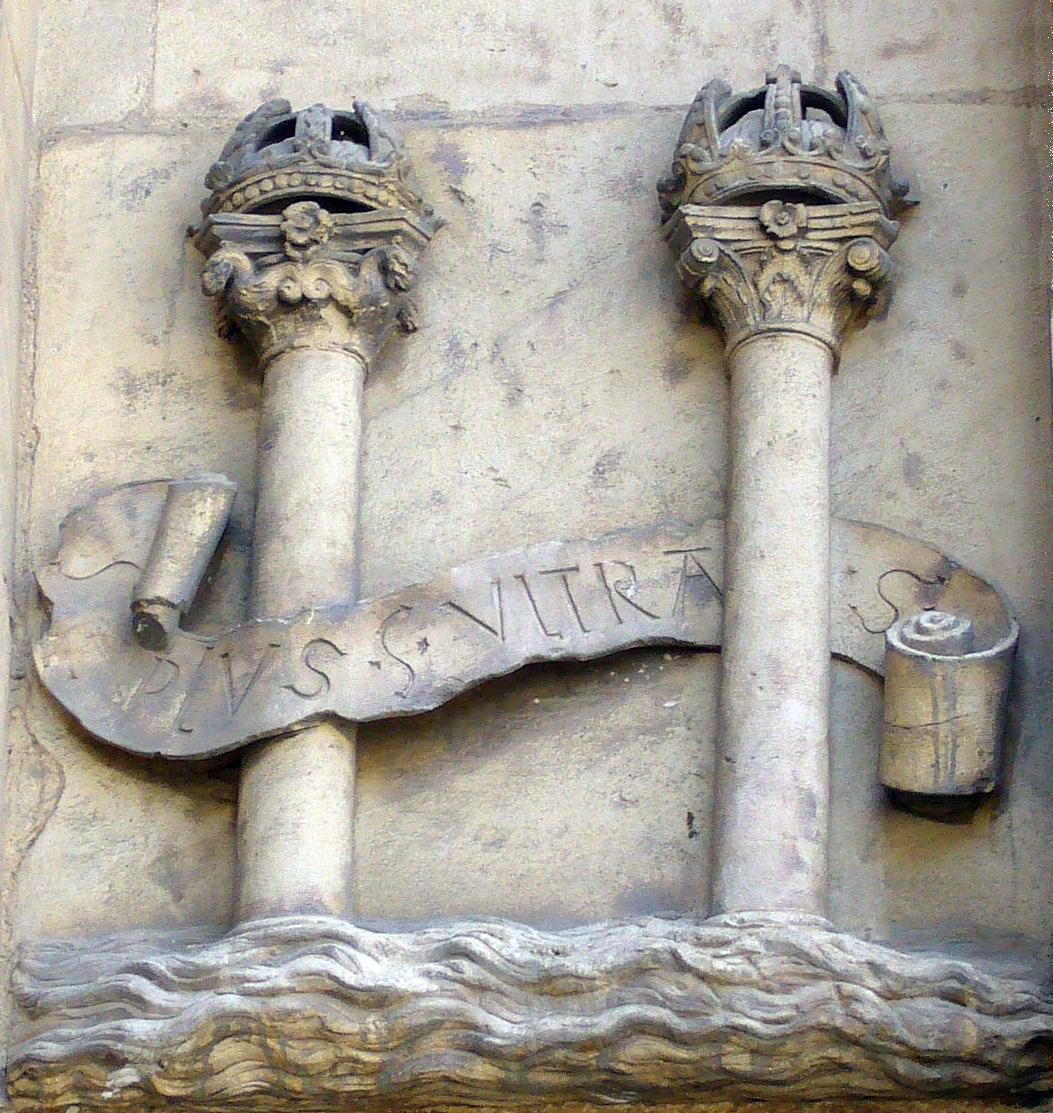
Pillars of Boaz & Jachin
Strength and establishment
Origin: King Solomon's Temple (1 Kings 7:21)
Two great bronze pillars that stood at the entrance of King Solomon's Temple in Jerusalem. "Boaz" (meaning "in strength") stood on the left, and "Jachin" (meaning "He will establish") stood on the right. In Masonic ritual, these pillars represent the balance between opposing forces — strength and beauty, severity and mercy, the material and the spiritual. They serve as a gateway through which every Mason symbolically passes on his journey through the degrees, reminding him of the divine architecture that underpins the universe.
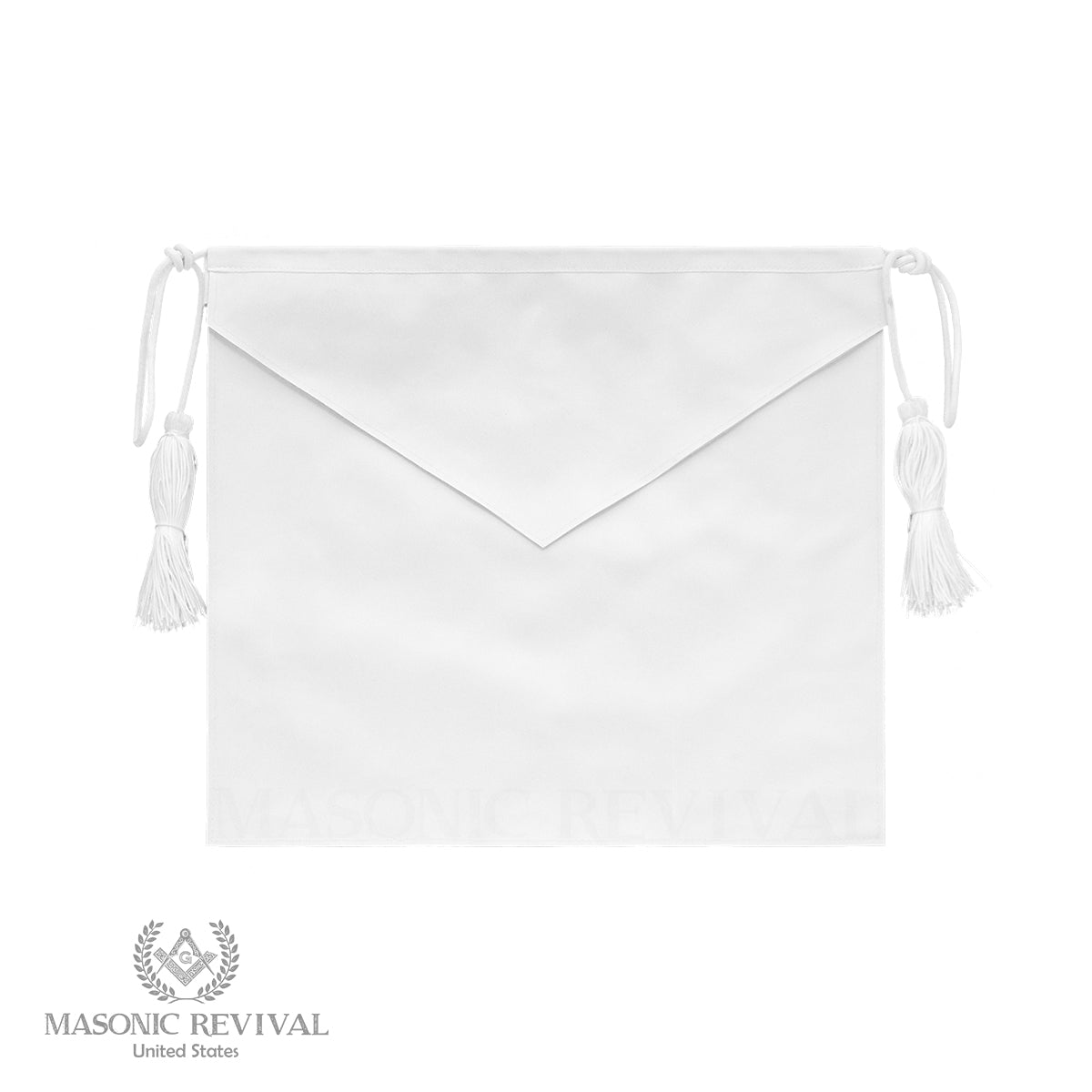
The Masonic Apron
Innocence and the badge of a Mason
Origin: Operative stonemasons' working garment
The lambskin or white leather apron is the most ancient and universally recognized badge of a Freemason. Presented to every Mason upon initiation, it symbolizes purity, innocence, and the unspotted life. George Washington famously treasured his Masonic apron, reportedly embroidered by the wife of the Marquis de Lafayette. The apron evolves as a Mason progresses through the degrees, with increasingly elaborate designs reflecting higher rank and achievement. It is considered "more ancient than the Golden Fleece or Roman Eagle, more honorable than the Star and Garter."
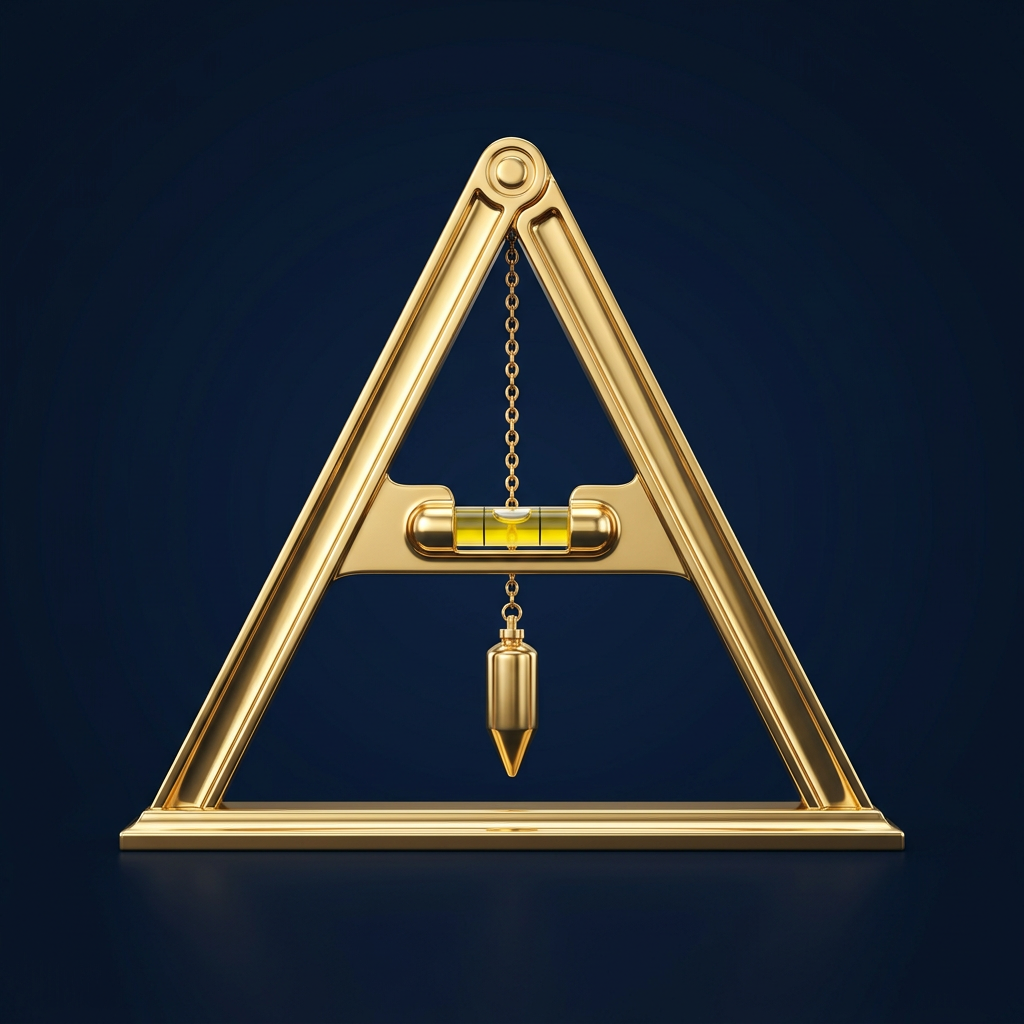
The Level
Equality among all people
Origin: Operative stonemasons' tool
The level is the working tool of the Fellowcraft degree and symbolizes equality — the great leveler that reminds Masons that all people meet on the same plane, regardless of wealth, status, or position. In the lodge room, all Masons are equal, from the newest initiate to the Worshipful Master. This principle was revolutionary in the 18th century when rigid class hierarchies governed society, and it remains a cornerstone of Masonic philosophy today.
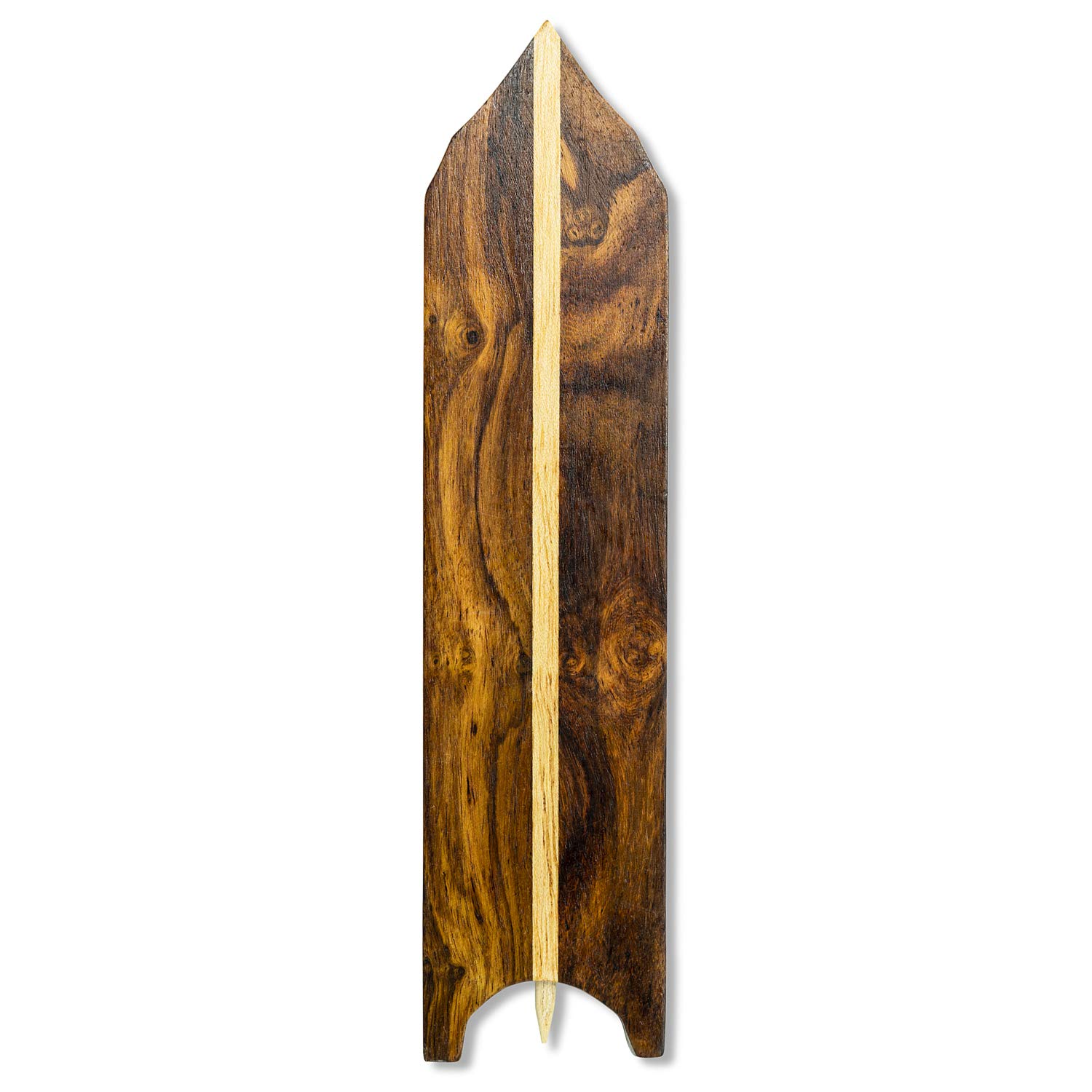
The Plumb
Upright moral conduct
Origin: Operative stonemasons' tool
The plumb line, used by operative masons to ensure walls are perfectly vertical, teaches the speculative Mason to walk uprightly before God and man. It is the jewel of the Junior Warden, who is responsible for the brethren during refreshment. The plumb reminds every Mason to stand straight in his moral and ethical convictions, never wavering from the path of virtue even under pressure or temptation.
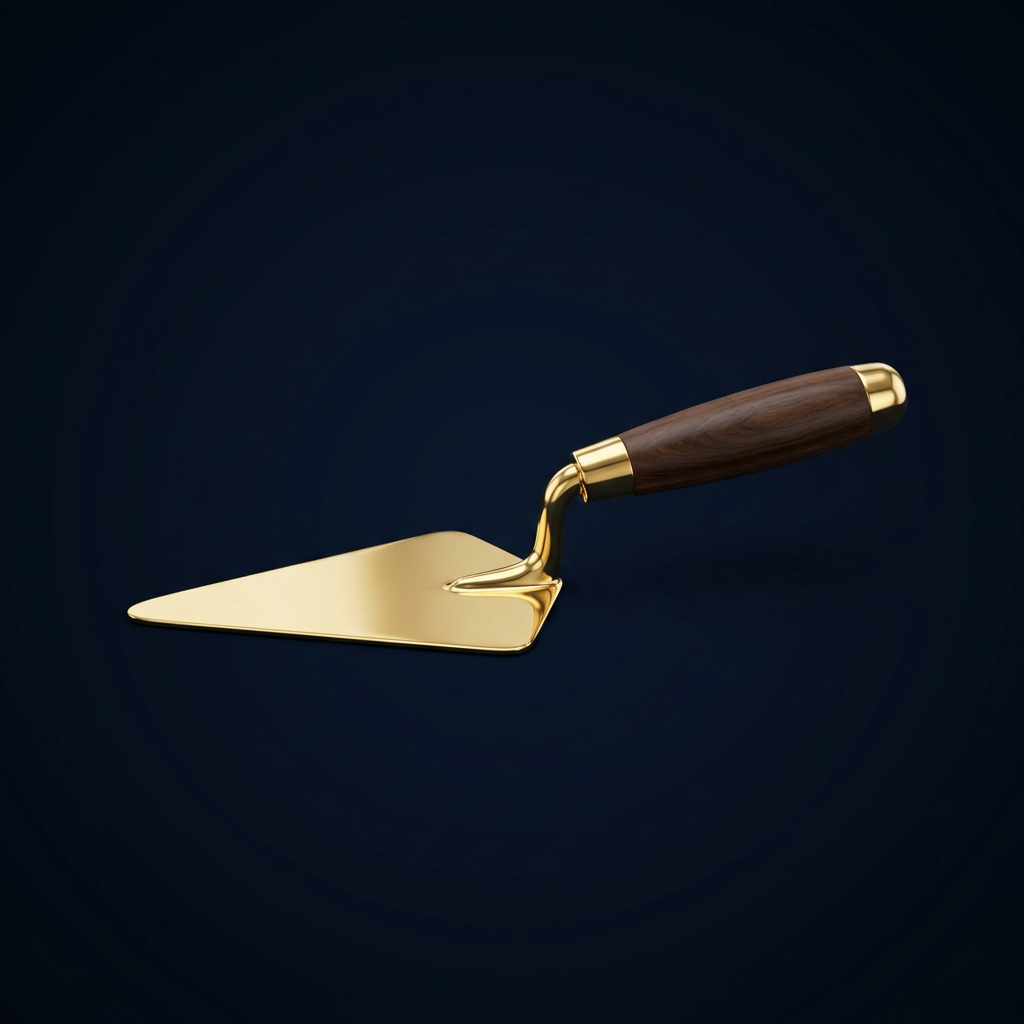
The Trowel
Spreading the cement of brotherhood
Origin: Operative stonemasons' tool
The trowel is the working tool of the Master Mason degree. While operative masons used the trowel to spread the cement that binds stones together, speculative Masons use it symbolically to spread the "cement of brotherly love and affection" — that bond which unites all members of the fraternity into one sacred band. It teaches that unity, compassion, and mutual support are the foundations upon which the Masonic lodge is built.
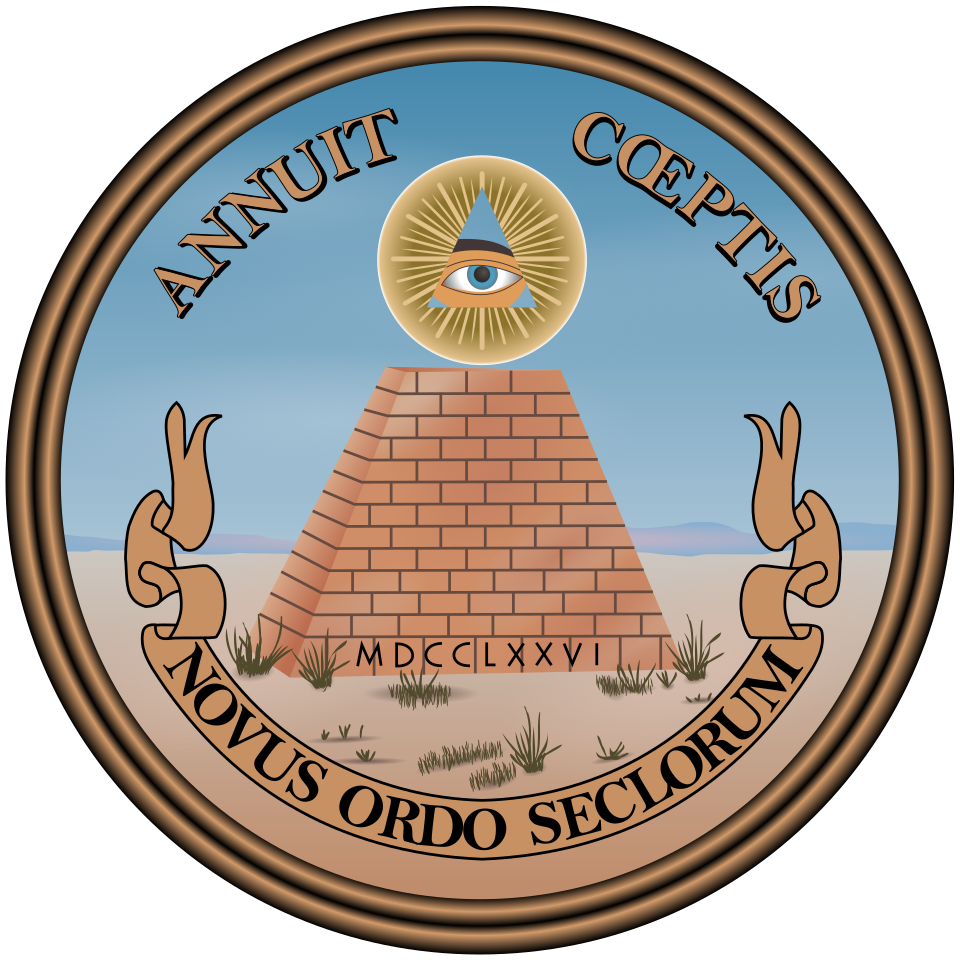
The Eye of Providence
Divine providence watching over humanity
Origin: Renaissance Christian art
The Eye of Providence — an eye enclosed within a triangle, often surrounded by rays of light — appears on the reverse of the United States Great Seal and on the one-dollar bill. While commonly associated with Freemasonry, the symbol was used in Christian art long before its Masonic adoption, representing the Holy Trinity. In Masonic contexts, the triangle represents the threefold nature of the Divine, and the eye within it symbolizes God's watchful care over humanity. The rays of light emanating from the symbol represent divine illumination and the pursuit of truth. The eye was added to the Great Seal design in 1782 and to the dollar bill in 1935; none of the Seal's final designers are known to have been Masons, and the Masonic use of the eye became widespread only after 1797, so the Seal was not a Masonic creation.
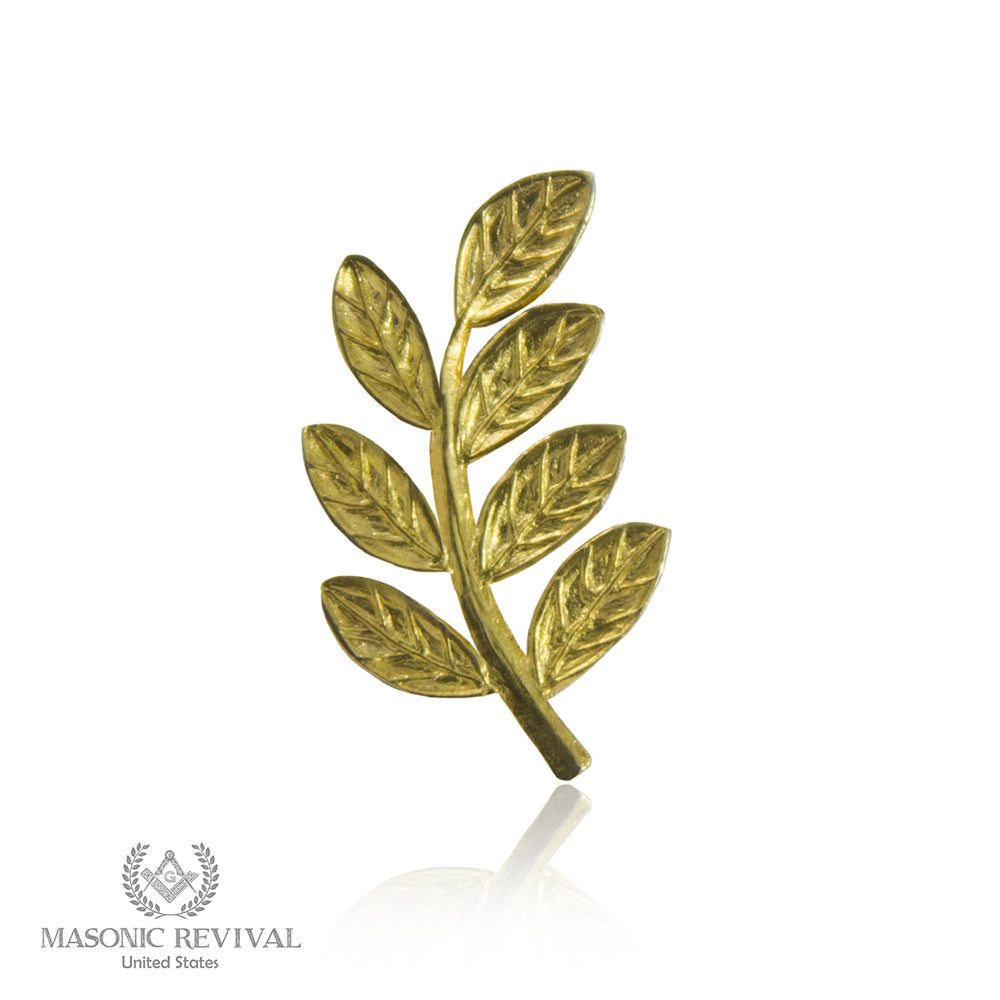
The Acacia
Immortality of the soul
Origin: Biblical and Masonic tradition
The sprig of acacia holds deep significance in the Master Mason degree. According to Masonic legend, a sprig of acacia was placed at the head of the grave of Hiram Abiff, the master builder of Solomon's Temple. The acacia tree, known for its hardiness and evergreen nature, symbolizes the immortality of the soul and the resurrection into a future life. In the ancient world, acacia wood was used to build the Ark of the Covenant, further connecting the symbol to sacred architecture and divine purpose.
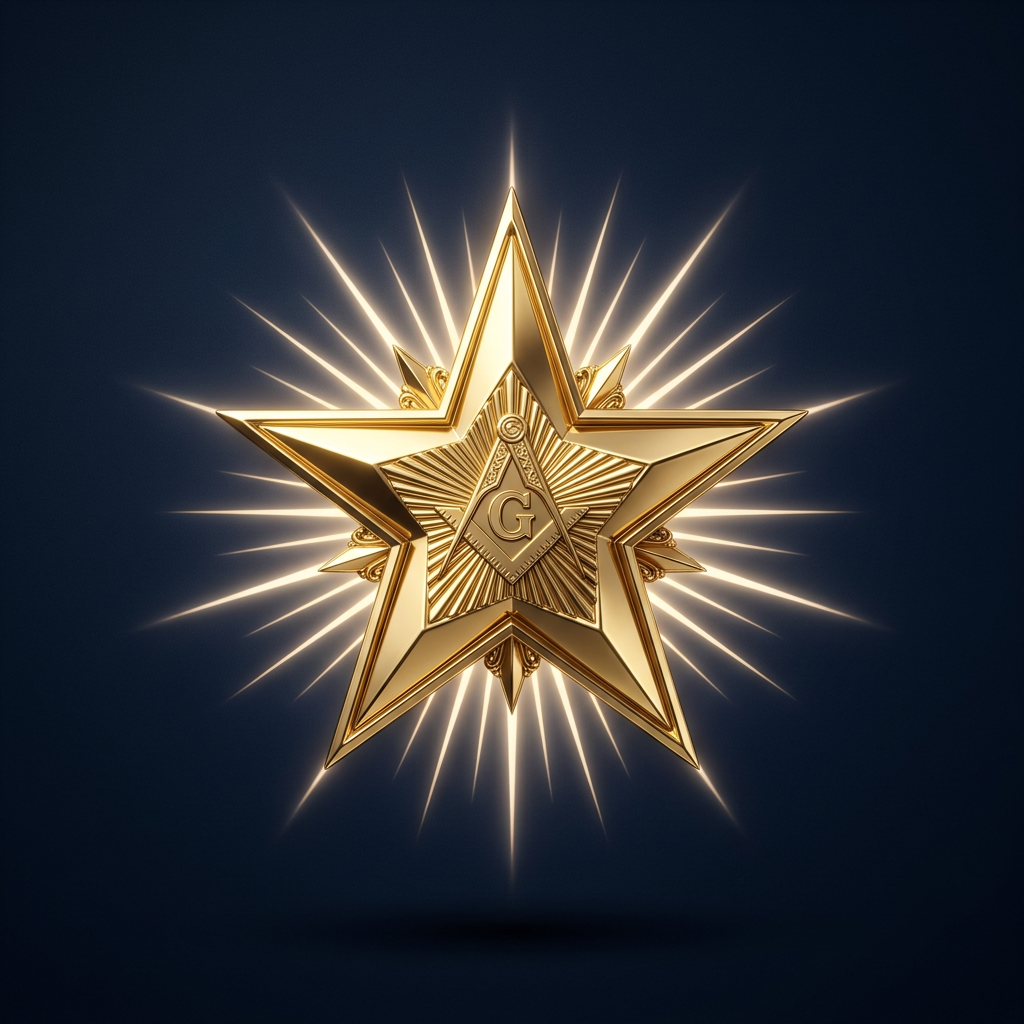
The Blazing Star
Divine guidance and the pursuit of knowledge
Origin: Ancient astronomical and Masonic symbolism
The Blazing Star, often depicted as a five-pointed star with rays of light, represents divine providence and the light of knowledge that guides Masons through the darkness of ignorance. In some Masonic traditions, it symbolizes the star that guided the Magi to Bethlehem, while in others it represents the sun as the source of all light and life. Displayed prominently on the Masonic lodge floor, it reminds Masons to seek truth, enlightenment, and the guidance of the Great Architect in all their endeavors.
The Sun & Moon
Universality and the duality of existence
Origin: Ancient astronomical symbolism
The sun and moon are displayed in every Masonic lodge, typically flanking the Worshipful Master's station in the East. The sun represents the masculine principle, light, knowledge, and the power of reason. The moon represents the feminine principle, reflection, and the beauty of contemplation. Together, they symbolize the universality of Freemasonry — just as the sun rules the day and the moon governs the night, Masons are taught to regulate their lives with wisdom and balance, seeking illumination in all aspects of existence.
Can You Name Every Symbol?
Test your knowledge of Masonic symbols and more in the Masonic Trivia Challenge.
Download: The Beginner's Guide to Freemasonry
Get our free, in-depth guide covering everything you need to know about Freemasonry — delivered straight to your inbox.