
Masonic Rings: Their Meaning and the Etiquette of Wearing One
What does a Masonic ring mean, which hand is it worn on, which way should the compasses face, and how much is one worth? A clear guide to Masonic rings.
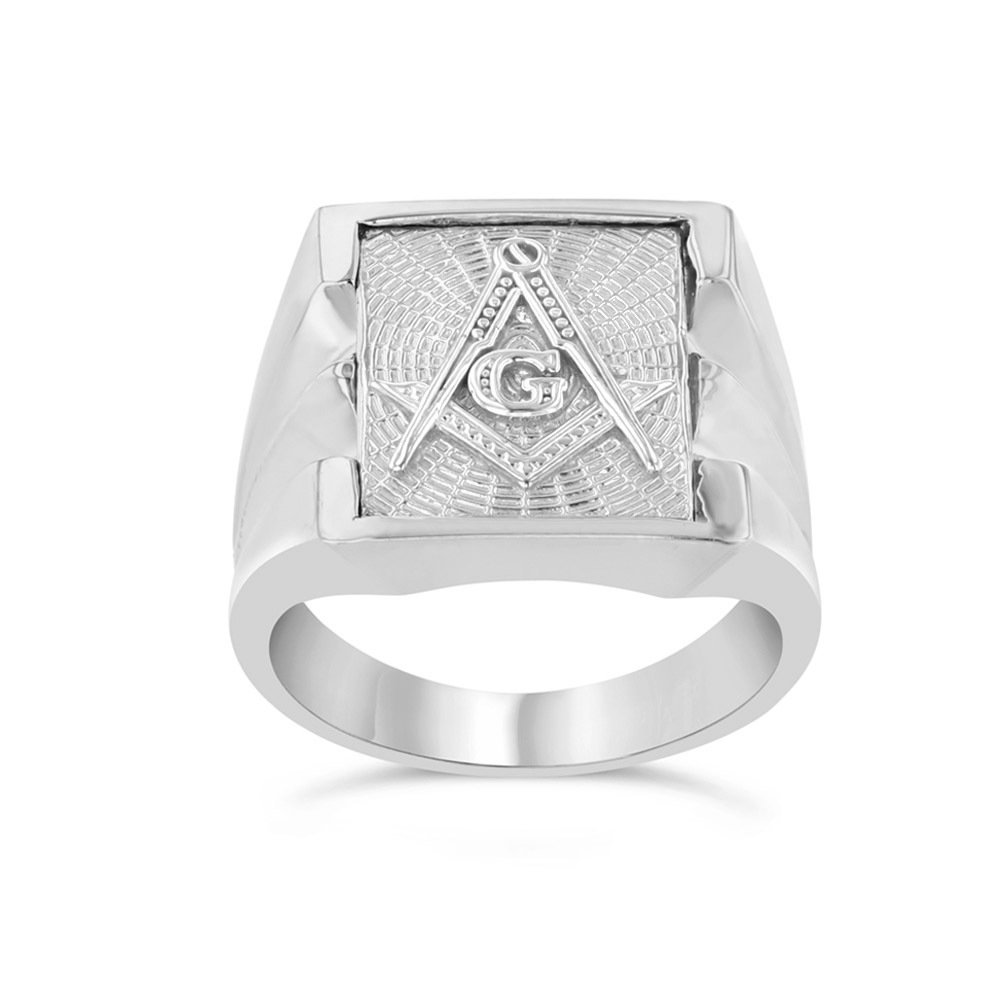
A Masonic ring is one of the most personal ways a member expresses his connection to the Craft. These rings carry far more meaning than a simple piece of jewelry, and there is a quiet etiquette around how they are worn. This guide covers what Masonic rings symbolize, the main types, how to wear one, what an old ring is worth, and what to do if you inherit one.
The Short Answer
A Masonic ring shows that the wearer is a Freemason and reminds him of the principles of brotherly love, relief and truth. Most feature the square and compasses, often with the letter G. Customs on which hand to use and which way the compasses face vary by jurisdiction, and by tradition only Masons wear them.
What a Masonic Ring Represents
A Masonic ring signals that its wearer is a member of the fraternity and has committed himself to its principles. It is a daily, personal reminder of the obligations a Mason has taken and the values he strives to live by. Because it is worn in public, it also carries a responsibility: a man wearing the square and compasses is representing the fraternity in how he behaves.
Common Symbols on Masonic Rings
The square and compasses, the universal emblem of Freemasonry. The square stands for morality and the compasses for self-restraint.
The letter G, which many Masons explain as standing for God and for geometry. See our article on what the G means.
Working tools and emblems such as the trowel, level or plumb, each with a moral lesson. Our guide to Masonic symbols explains them.
Body emblems, such as the double-headed eagle of the Scottish Rite or the scimitar and crescent of the Shriners.
Types of Masonic Rings
Blue Lodge rings display the square and compasses and represent the three foundational degrees. They are the most common Masonic rings.
Past Master rings are worn by members who have served as Worshipful Master of their lodge. Their emblem is usually the compasses open on a quarter-circle with a sun in the center. Learn more about lodge officers.
Scottish Rite rings often bear the double-headed eagle and a degree number, such as 32. The plain 14th degree ring, given in the Lodge of Perfection, is traditionally inscribed inside with the Latin motto “Virtus junxit mors non separabit” (whom virtue unites, death will not separate).
33rd degree rings are reserved for members who have received the honorary 33rd degree.
York Rite rings combine the emblems of the Royal Arch, the Cryptic Council and the Knights Templar. See the York Rite explained.
Shrine rings feature the scimitar, crescent and star of Shriners International.
The Etiquette of Wearing a Masonic Ring
There is no single universal rule, and customs vary by jurisdiction, but a few traditions are common.
Which hand?
Many Masons wear the ring on the ring finger of the right hand, leaving the left for a wedding band. Others wear it on the left hand or the little finger. No Grand Lodge rule fixes this for ordinary members, so personal preference usually decides.
Which way should the compasses point?
This is the most debated question. One view holds that the points of the compasses should face toward the wearer, as a reminder to keep his own passions and conduct within bounds. Another holds that they should face outward, so that others can read the emblem the right way up and the wearer shows his membership to the world. Some explain the difference by experience: points in for a new Mason still learning, points out once he has learned. Each view has its supporters, and none is official. New members are encouraged to ask about the custom in their own lodge.
Can a non-Mason wear a Masonic ring?
By long tradition, a Masonic ring should be worn only by a Mason. Wearing one tells others that you belong to the fraternity and stand behind its values, so wearing it without being a member is considered misleading. A non-Mason who owns a family ring is welcome to keep and treasure it; most simply choose not to wear it in public.
How Much Is a Masonic Ring Worth?
This is one of the most common questions, especially from families who find a ring among a relative's belongings. The value depends mainly on five things:
1. Metal. Solid gold (10k, 14k or 18k) is worth far more than gold-plated, sterling silver, stainless steel or tungsten. Look inside the band for a karat stamp such as 10K or 14K.
2. Weight. For gold rings, much of the resale value comes from the weight of the gold itself, which changes with the market price of gold.
3. Stones. Diamonds or other genuine gems add value; synthetic stones add little.
4. Maker and age. Rings by well-known makers, or antique rings in good condition, can attract collectors.
5. Condition. Heavy wear, damage or missing stones lower the value.
As a rough guide, new stainless steel or tungsten rings often sell for under $50; the rings in our shop start at around $25. Sterling silver rings typically cost more, and solid gold rings can run from several hundred dollars to well over $1,000 depending on karat, weight and stones. These are approximate ranges, and prices change. For an accurate value on a particular ring, ask a reputable jeweler to test the metal and weigh it, or consult a dealer in antique fraternal jewelry.
What to Do With an Inherited Masonic Ring
If you have inherited a Masonic ring and are not a Mason yourself, you have several respectful options:
Keep it as a family heirloom. Many families display it with photos or a lodge certificate.
Pass it to a relative who is a Mason, or to one who may join in the future.
Contact the lodge the owner belonged to. Lodges sometimes welcome rings for their history displays, or to present to a new member. Our lodge finder can help you find a Grand Lodge to ask.
Sell it if you wish. If you do, consider selling to a dealer or Mason who will value its meaning.
Earning the Right to Wear One
Many Masons receive their first ring when they are raised to the degree of Master Mason, often as a gift from family or lodge brothers. Others buy one to mark a milestone such as serving as an officer. Whenever it is received, members treat the privilege with respect.
More Than Jewelry
Ultimately, a Masonic ring is a wearable reminder of a lifelong commitment. Every time a member notices it on his hand, he is prompted to act with honesty, to help those in need and to keep his own conduct in check. That is a great deal of meaning to carry on a single finger.
Quick Answers
What does a Masonic ring mean? That the wearer is a Freemason committed to brotherly love, relief and truth.
Which hand do Masons wear their ring on? There is no universal rule; the right ring finger is common.
Which way should the compasses face? Customs differ. Points toward the wearer and points outward both have supporters.
Can anyone wear a Masonic ring? By tradition, only Masons wear them.
How much is a Masonic ring worth? It depends mostly on the metal, weight and stones. A jeweler can give an accurate value for gold rings.
Sources
Spotted an error? Let us know and we will review it.