Mozart and Freemasonry: The Composer's Masonic Life
Was Mozart a Freemason? Discover how Masonic ideals shaped the life and music of Wolfgang Amadeus Mozart, including The Magic Flute.
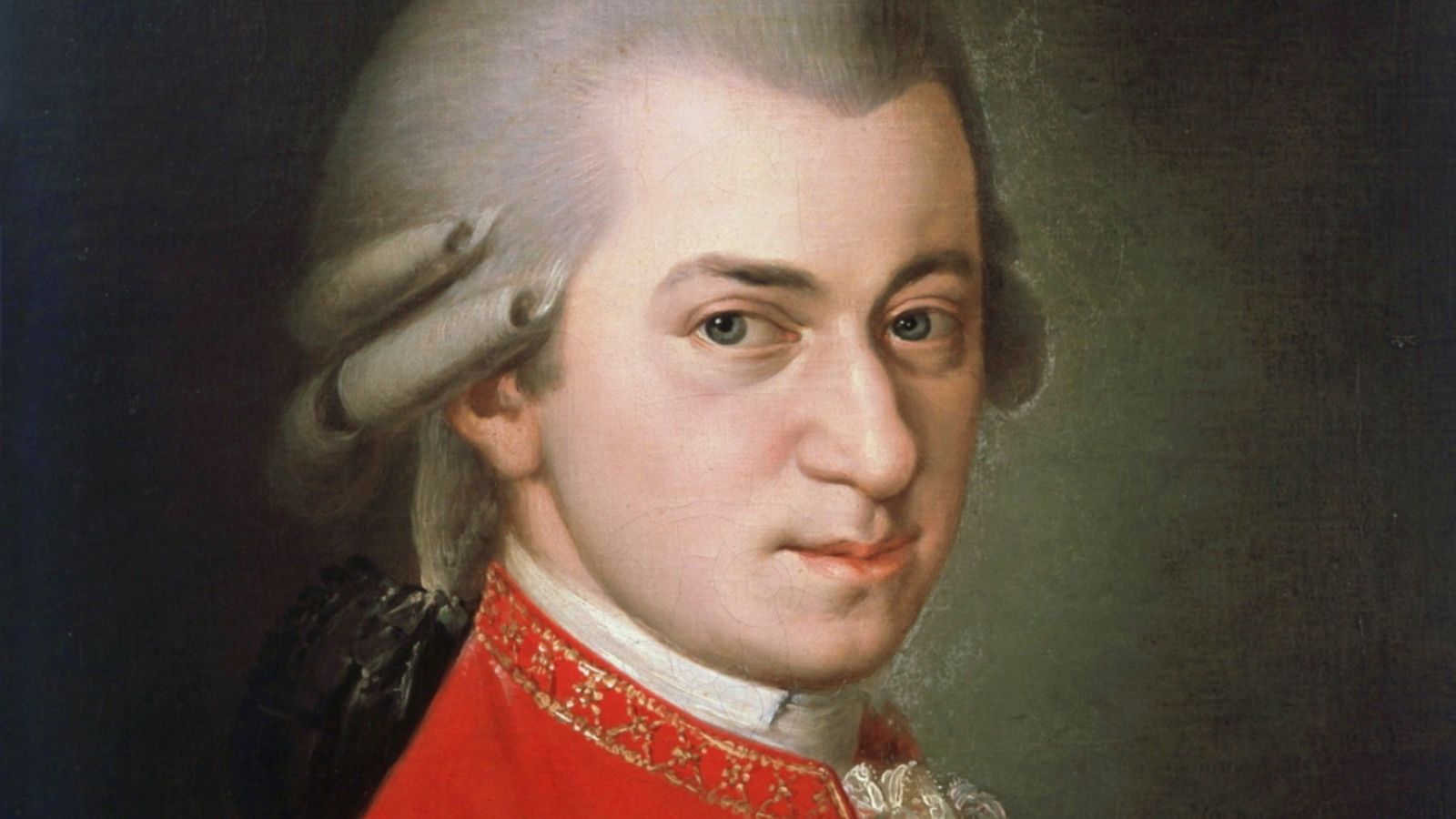
Wolfgang Amadeus Mozart, one of the greatest composers who ever lived, was a committed Freemason for the last seven years of his life. That is not legend or speculation: his membership is recorded in Viennese lodge documents, and he wrote music specifically for Masonic ceremonies. Here is what we actually know about Mozart's life in the Craft, and how it shaped some of his best-loved music.
When and Where Mozart Joined
Mozart was proposed for membership on December 5, 1784, in the Viennese lodge Zur Wohltätigkeit ("Beneficence"). He was initiated as an Entered Apprentice on December 14, 1784, became a Fellow Craft on January 7, 1785, and was raised a Master Mason soon afterward. (Our guide to the three degrees of Freemasonry explains what those steps mean.)
Vienna in the 1780s was an exciting place to be a Freemason. Lodges drew aristocrats, civil servants, scientists, writers, and musicians, and they were among the few places where men of different social ranks met as equals. For an ambitious freelance composer, the lodge offered friendship, intellectual conversation, and a circle of supporters who shared the ideals of the Enlightenment.
Surviving the 1785 Crackdown
In 1785, Emperor Joseph II issued a decree known as the Freimaurerpatent, which placed lodges under state supervision and reduced their number in Vienna. Mozart's lodge was merged with others, and he became a member of the new lodge Zur neugekrönten Hoffnung ("New Crowned Hope").
Many members drifted away once lodges came under official scrutiny. Mozart did not. He stayed active in the new lodge for the rest of his life, a quiet sign of how much the fraternity meant to him.
Music Written for the Lodge
Mozart composed a number of works intended for use in Masonic gatherings. Three stand out.
Die Maurerfreude (The Mason's Joy), K. 471
This 1785 cantata celebrates the joys of brotherhood. It was written for a lodge gathering honoring a prominent member and is one of the most cheerful of Mozart's Masonic pieces.
Masonic Funeral Music, K. 477
Composed in November 1785, the Maurerische Trauermusik was written for a Lodge of Sorrows, a memorial meeting, held in honor of two deceased brothers: Georg August, Duke of Mecklenburg-Strelitz, and Franz, Count Esterházy. Written in C minor, it is short, dark, and deeply moving, and it is still performed in concert halls today.
Little Masonic Cantata, K. 623
In November 1791, Mozart wrote the Kleine Freimaurer-Kantate for the dedication of a new temple for his lodge, New Crowned Hope. It is widely recognized as the last major work he completed. He died weeks later, on December 5, 1791, at just 35.
Masonic Symbolism in His Music
Music scholars point to recurring features in Mozart's Masonic works that seem to echo the fraternity's symbolism. The most often cited are:
The number three, which carries rich meaning in Freemasonry (three degrees, three great lights, three principal officers). Groups of three chords, three voices, and three characters appear again and again.
The key of E-flat major, which has three flats in its key signature and is used for several of his Masonic works.
Musical journeys from darkness to light, echoing the Masonic theme of moving from ignorance toward knowledge.
Mozart left no written key explaining his intentions, so these are interpretations. But they are consistent and widely accepted, and they help explain why the music feels so purposeful.
The Magic Flute
Mozart's opera The Magic Flute (K. 620) premiered in Vienna on September 30, 1791, with a libretto by Emanuel Schikaneder. It is the work most often linked to Freemasonry, and with good reason:
The overture opens with three solemn chords, and the number three runs through the story: three ladies, three boys, three temples.
The hero, Tamino, must pass a series of trials, including silence, fire, and water, before he is admitted to a brotherhood of the wise.
The priest Sarastro and his temple stand for wisdom, reason, and virtue, while the story as a whole moves from night to daylight.
It is important not to overstate this. The Magic Flute is a popular comic opera, full of slapstick from the bird-catcher Papageno, and it was written for a public theater audience. It does not stage actual lodge ceremonies. What it does is dramatize the ideals Mozart found in Freemasonry, which is why it has become one of the most performed operas in the world.
A Catholic and a Freemason
The Catholic Church had condemned Freemasonry since 1738, yet Mozart remained a practicing Catholic and an active Mason until he died. He seems to have seen no conflict between the two: the lodge offered moral instruction and fellowship, not a replacement for his church. That attitude matches how Freemasons describe the Craft today, as our article on whether Freemasonry is a religion explains.
The Myth That Masons Killed Mozart
A persistent conspiracy theory claims that Freemasons murdered Mozart for revealing their secrets in The Magic Flute. There is no historical evidence for this. The idea emerged long after his death, and it fits a broader pattern of anti-Masonic myths. Mozart's brethren continued to perform his Masonic music after he died, which is hardly how a fraternity treats a man it supposedly punished.
A Lasting Legacy
Mozart's Masonic compositions remain part of the concert repertoire, and The Magic Flute continues to fill opera houses more than two centuries after its premiere. Through that music, the values he found in the lodge (light, virtue, and brotherhood) still reach millions of listeners who may never have set foot in one. You can read about more famous members on our Famous Freemasons page.
Quick Facts
Mozart was initiated in the Vienna lodge Zur Wohltätigkeit on December 14, 1784.
He became a Fellow Craft on January 7, 1785, and later a Master Mason.
After the 1785 Freimaurerpatent he belonged to the lodge Zur neugekrönten Hoffnung.
His Masonic Funeral Music, K. 477, dates from November 1785.
The Little Masonic Cantata, K. 623 (November 1791), was his last major completed work.
The Magic Flute premiered on September 30, 1791, and is rich in Masonic themes.
Sources
Spotted an error? Let us know and we will review it.