Anti-Masonry: A History of Opposition to Freemasonry
Why has Freemasonry faced opposition throughout history? Explore the roots of anti-Masonry, from the 1820s to the present day.
For as long as Freemasonry has existed, it has attracted suspicion, rumor, and organized opposition. Understanding the history of anti-Masonry helps explain why so many myths about the fraternity persist today.
Why Secrecy Breeds Suspicion
Freemasonry has always kept certain things private — chiefly its modes of recognition and the details of its ceremonies. In an open society, private groups naturally invite curiosity, and curiosity can curdle into suspicion. Because outsiders could not see what happened inside a lodge, they were free to imagine the worst.
The Morgan Affair and the Anti-Masonic Party
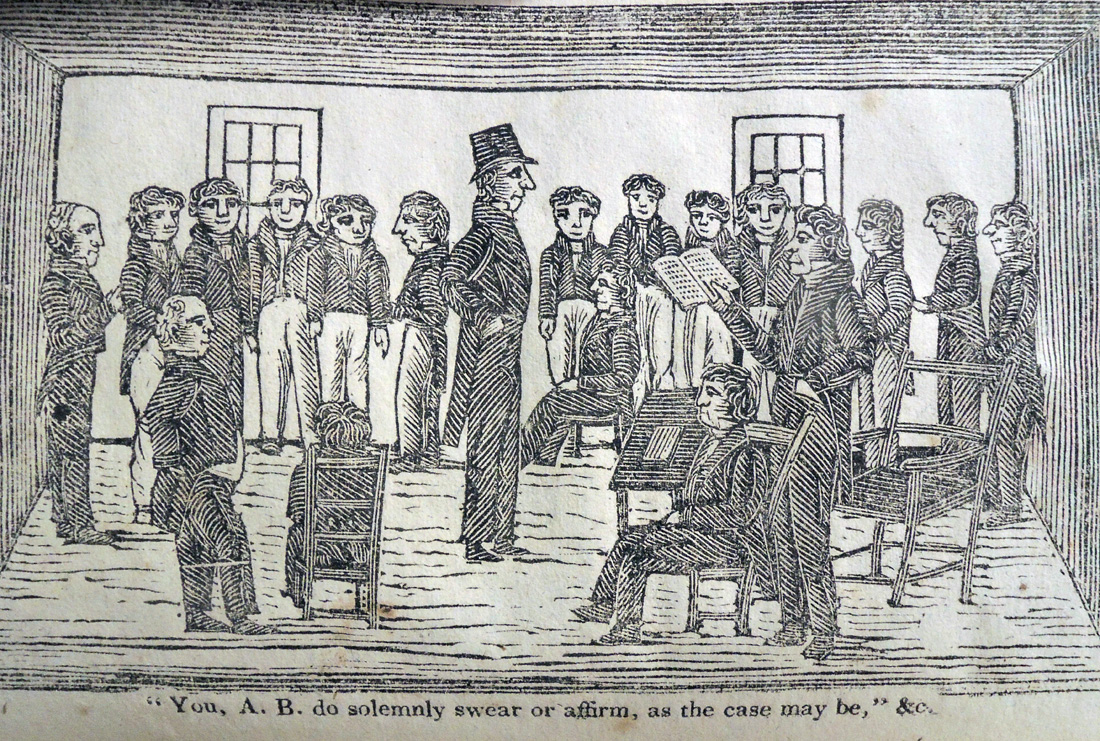
One of the most famous episodes occurred in the United States in the 1820s. William Morgan, a man who threatened to publish Masonic ritual, disappeared in 1826 under mysterious circumstances. The scandal ignited a wave of public outrage and gave rise to the Anti-Masonic Party, the first significant third party in American political history. Membership in lodges dropped sharply for a time before eventually recovering.
Religious Opposition
Some religious institutions have objected to Freemasonry, often over concerns about its use of religious language, its oaths, or its non-denominational approach to faith. The Roman Catholic Church, for example, has issued statements discouraging membership. Freemasons respond that the Craft is not a religion, requires belief in a Supreme Being, and encourages members to be active in their own faith.
Political Persecution
Authoritarian regimes have repeatedly targeted Freemasonry. Because lodges promote free thought, individual conscience, and international brotherhood, dictatorships have viewed them as threats. In the 20th century, Masons were persecuted under several totalitarian governments, and lodges were banned or destroyed in a number of countries.
Conspiracy Theories
Much modern anti-Masonry takes the form of conspiracy theories that cast the fraternity as a secret ruling power. These claims collapse under scrutiny: Freemasonry is a decentralized network of independent Grand Lodges with no central command, and its members span every political party and background. The reality — a charitable and social organization focused on personal development — is far less dramatic than the myths.
Separating Fact from Fear
The long history of anti-Masonry is really a history of how societies react to private associations they do not understand. When examined honestly, the fraternity’s records, charities, and public buildings tell a very different story from the sinister one imagined by its critics.
Key Takeaways
Anti-Masonry has existed almost as long as Freemasonry itself.
The Morgan affair of the 1820s sparked the Anti-Masonic Party in the US.
Religious and political opposition have both targeted the Craft.
Most modern claims are conspiracy theories unsupported by evidence.