What Really Happens in Masonic Rituals?
Separate fact from fiction about Masonic ceremonies. Learn what actually happens during degree work, initiations, and lodge meetings — no conspiracy theories, just the truth.
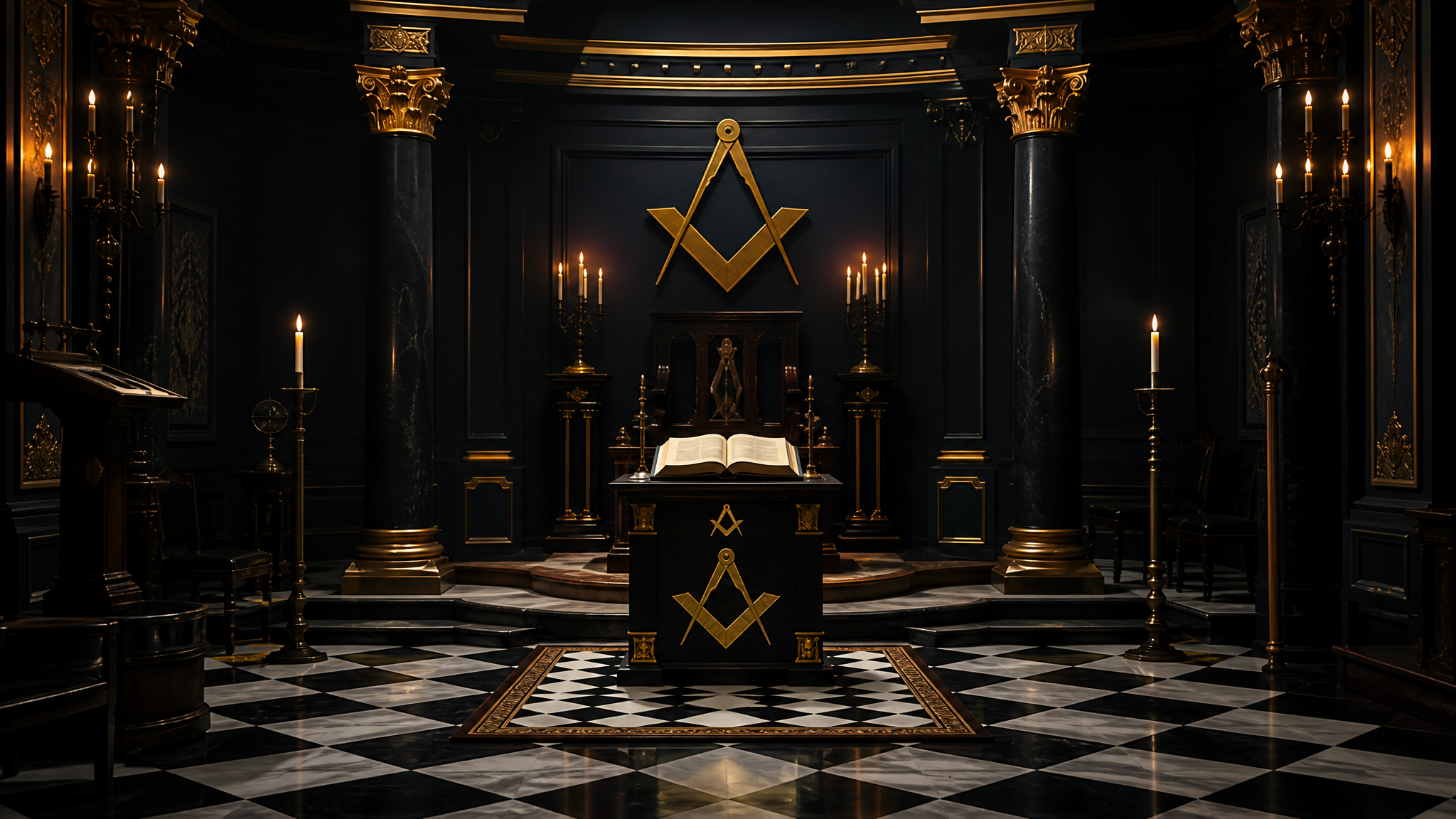
Few topics generate more curiosity — and more misinformation — than Masonic rituals. Movies, novels, and conspiracy websites have painted everything from sinister blood oaths to bizarre hazing ceremonies. The reality is far less dramatic but much more meaningful.
What Is a Masonic Ritual?
Masonic rituals are ceremonial dramas that teach moral and philosophical lessons through allegory and symbolism. Think of them as interactive morality plays in which the candidate is both the audience and the main character. The rituals have been refined over centuries and follow a structure that is remarkably consistent across different jurisdictions around the world.
The Structure of a Degree
Each of the three Blue Lodge degrees (Entered Apprentice, Fellowcraft, and Master Mason) follows a similar structure:
1. Preparation: The candidate is prepared by having certain items of clothing adjusted symbolically. Nothing undignified occurs.
2. Opening: The lodge is formally opened with prayers, ritual dialogue, and the posting of officers at their stations.
3. The Ceremony: The candidate is guided through a series of symbolic experiences that teach specific moral lessons. He may be asked to take symbolic journeys, answer questions, or listen to lectures.
4. The Obligation: The candidate takes a solemn oath (or "obligation") to keep the secrets of Freemasonry and uphold its principles. The "secrets" are primarily modes of recognition (signs, grips, and words) rather than esoteric knowledge.
5. The Lecture: After the dramatic portion, officers deliver lectures that explain the symbolism the candidate has just experienced.
6. Closing: The lodge is formally closed.
What Are the "Secrets"?
The much-discussed "secrets" of Freemasonry are far less dramatic than popular culture suggests. They consist primarily of:
Modes of Recognition: Handshakes (called "grips" or "tokens"), passwords, and signs that identify a Mason as belonging to a particular degree.
Ritual Details: The specific words and actions of the ceremonies.
The Masonic Experience: The personal, internal experience of going through the degrees.
The moral teachings themselves are not secret at all. Books, websites, and encyclopedias openly discuss the principles of Freemasonry.
What Doesn't Happen
To clear up common misconceptions:
No hazing: There is nothing physically dangerous, humiliating, or undignified in Masonic rituals.
No blood oaths: While the obligations historically included dramatic penalty clauses ("have my throat cut across"), these are symbolic and most jurisdictions have softened or removed them.
No worship: Freemasonry is not a religion. While prayers are offered, they are addressed to the "Great Architect of the Universe" and are compatible with any monotheistic faith.
No political conspiracies: Lodge meetings do not include political discussions. In fact, political and religious debate is explicitly forbidden in lodge.
Regular Lodge Meetings
Beyond degree ceremonies, regular lodge meetings are fairly mundane:
Reading of minutes from the previous meeting
Financial reports and paying bills
Voting on petitions for membership
Planning charitable events and social activities
Committee reports
Education presentations on Masonic history or philosophy
Fellowship over a meal (before or after the meeting)
Most lodge meetings last about 90 minutes to two hours, including dinner.
Why the Secrecy?
The secrecy of Masonic rituals serves several purposes:
1. Shared Experience: Keeping the ritual details private ensures that every candidate experiences the degrees fresh, without knowing what comes next.
2. Bond of Trust: The act of keeping a secret creates a bond among members.
3. Tradition: The tradition of secrecy stretches back to the operative stonemasons, who guarded their trade techniques.
4. Personal Growth: The element of discovery is essential to the transformative nature of the Masonic experience.
In a world where almost everything is available at the click of a button, there is something profoundly meaningful about an experience that can only be had in person, in community, through centuries-old ritual.